


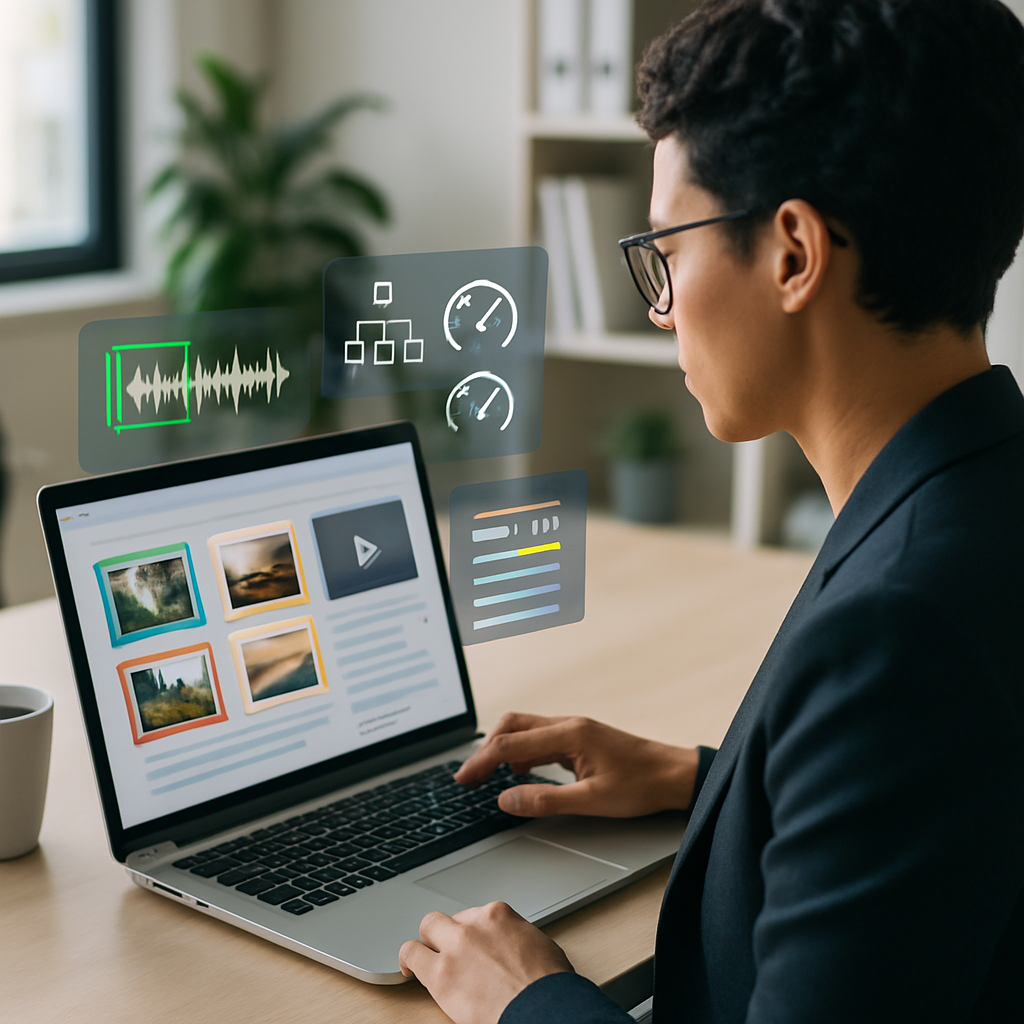
Multimodal search, which combines text, images, videos, and audio data, is rapidly changing how users find information online. For entrepreneurs, freelancers, and SMEs, this evolution requires adapting website creation, natural SEO, and content strategies. This article explains the concrete challenges, benefits, and best practices to implement today.
What is Multimodal Search and Why It's Changing SEO
Multimodal search relies on artificial intelligence algorithms capable of simultaneously analyzing multiple types of media. Google and other players are integrating these capabilities to better understand user intent and deliver richer results (featured snippets, relevant images, videos, recipes, products). For a website, this means plain text is no longer enough: images, videos, and metadata now play a direct role in visibility.
Benefits and Challenges for Businesses
Benefits
1) Better Engagement: Relevant multimedia content increases time on site and conversion rates. 2) Enhanced Visibility: Optimized images and videos appear in carousels and rich results. 3) Accessibility and UX: Well-crafted transcriptions and descriptions improve user experience and compliance.
Challenges
1) Technical Load: Adding and optimizing media requires time and expertise (size, formats, tagging). 2) Metadata Quality: Without descriptions, transcriptions, or structured data, media remain invisible to search engines. 3) Performance: Heavy media can harm speed and SEO if poorly managed.
Concrete Impacts on the Web, SEO, and Business
Companies correctly integrating multimodality see increased qualified traffic from new sources (image search, video search, rich results). This also leads to higher click-through rates (CTR) from SERPs and often better conversions: a product page with an explanatory video and proper tagging converts better than a text-only page.
Technical and Editorial Best Practices
Image Optimization
Use modern formats (WebP, AVIF), compress without significant loss, and serve media via CDN. Always fill the alt attribute with a concise, relevant description that naturally includes secondary keywords.
Video Optimization
Provide attractive thumbnails, transcriptions, and chapter markers (timestamps). Host on your site or via an integrated solution that supports VideoObject markup (schema.org) to maximize chances of appearing in rich results.
Automatic Transcriptions and Subtitles
AI today enables high-quality automatic transcriptions. Integrate these transcriptions into a page to improve textual indexing of your media and enhance accessibility, beneficial for both SEO and users who are deaf or hard of hearing.
Semantic Tagging and Structured Data
Implement schema.org for images, videos, FAQs, products, or recipes. Structured data helps search engines better understand your media and display rich snippets, boosting CTR.
Performance and Architecture
Adopt an intelligent lazy-loading strategy, media weight optimization, and caching. For SMEs, a well-configured CMS and responsive architecture are essential: multimodal search favors speed and mobile experience.
Operational Recommendations for SMEs and Freelancers
– Prioritize multimodal content for pages with strong commercial intent (product pages, service pages, tutorials). – Automate transcriptions and initial tagging using AI tools, then manually review to ensure quality. – Measure: track impact using Google Search Console, image/video impressions, and CTR. – Plan production: an optimized image bank and short videos can be reused and scaled.
SEO FAQ
1. Will multimodal search replace textual SEO?
No. Text remains central for semantics and intent. Multimodality complements SEO: text, images, and videos must be coherent and optimized together.
2. Which AI tools to use for transcriptions and tagging?
Several cloud solutions offer accurate transcriptions (speech recognition APIs) and annotation tools. The key is to automate the base layer, then perform human verification to avoid errors that could harm your SEO.
3. What priority should a small site with limited resources have?
Start by optimizing your images and adding alt tags and transcriptions for your most visited content. Then invest in one or two short, optimized videos to maximize impact.
Sy Agence Web’s Perspective
At Sy Agence Web, we see multimodal search not as a passing trend but as a structural shift in the web landscape. SMEs that adopt an AI-assisted multimedia strategy now improve their visibility and commercial effectiveness. Our recommendation: begin with a multimedia audit (images, videos, performance), then implement controlled automations for transcriptions and tagging. Looking ahead, the convergence of visual search, voice search, and personalization will increase the importance of flexible site architecture (headless or optimized CMS) and clear content governance to maintain information quality and reliability.
Adapting your website for multimodal search is a strategic investment: it enhances SEO, user experience, and conversion rates. If you want a personalized audit or technical support to integrate AI and optimize your media, contact our team at https://syagenceweb.com/contactez-nous/